
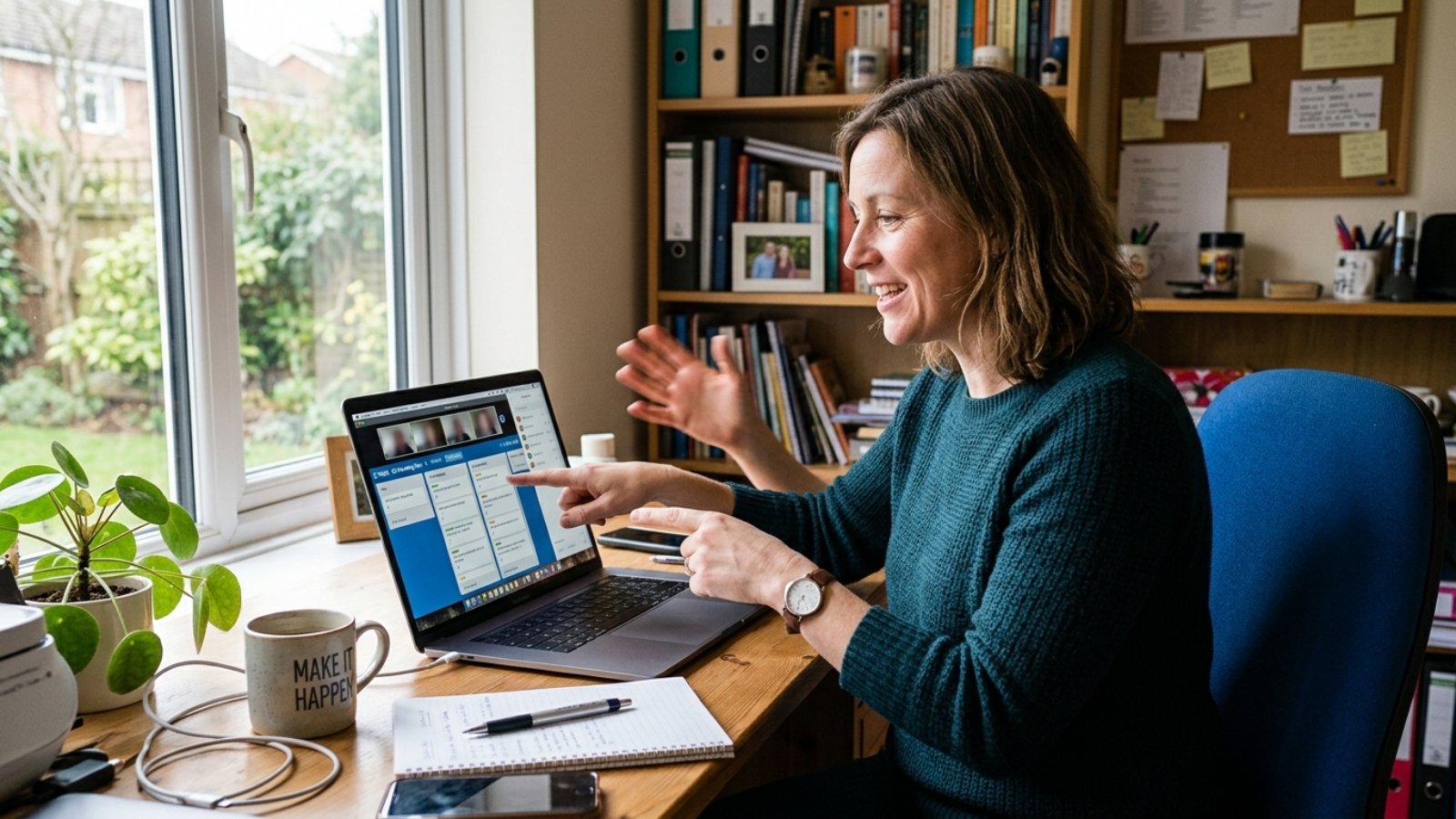
Quick answer: Working with an overseas freelance developer means adjusting to a timezone gap, communicating mostly in writing, and paying through a platform like Wise or Payoneer instead of a local check. Expect a written contract that covers IP ownership, milestone-based payments, and slower same-day turnaround than you’d get from someone down the hall.
I build websites for clients in Denmark, the UK, Aruba, and the US while sitting in Pakistan. So I’ve seen this relationship from both sides of the screen. Most of the friction I see isn’t about skill. It’s about expectations nobody set clearly before the work started.
Why Hire an Overseas Freelance Developer in the First Place?
Cost is the obvious answer, but it’s not the only one. A senior web developer in the US or UK can run $150-$220 an hour, while comparable talent in Pakistan or India typically bills $15-$55 an hour for the same skill level, according to a 2026 survey of over 5,000 freelance developers by arc.dev. That gap funds a lot of extra iteration.
However, the real advantage shows up over months, not on day one. An overseas freelance developer working async often means someone is coding while you sleep. Your bug report at 6 PM can come back fixed by the time you check email the next morning.
What Changes First: Timezones
This is the part nobody plans for properly. A 9-13 hour gap between North America and South Asia isn’t a minor inconvenience — it reshapes how you communicate entirely.
You won’t get instant replies during your working hours. That’s fine, as long as you build for it. Here’s what actually works:
- Agree on a 1-2 hour daily overlap window for anything urgent, even if it means an early morning or late evening call for one side.
- Write requests as if you won’t be online to clarify them. Include screenshots, exact URLs, and expected outcomes.
- Use a shared task board (Trello, ClickUp, Notion) instead of scattered messages, so nothing depends on real-time back-and-forth.
Clients who skip this step tend to feel like their developer has gone quiet. Usually, the developer is just asleep.
How Should You Communicate With an Overseas Developer?
Written communication becomes your default, not your backup. Voice notes and quick calls still matter, but text is what survives the timezone gap.
Slack, WhatsApp, and email cover most day-to-day needs. For anything with real stakes — scope changes, deadline shifts, payment terms — put it in writing somewhere both of you can find it later. Verbal agreements evaporate across a 12-hour gap.
I’ve had clients from Denmark and the UK who preferred short weekly video calls over daily messages, and it worked fine once we agreed on that rhythm upfront. The tool matters less than agreeing on one.
Contracts, IP Ownership, and Getting Paid
A written contract matters more with an overseas freelance developer than with a local one, because you have less legal recourse if something goes wrong. At minimum, it should cover scope, milestones, payment terms, and who owns the final code.
On ownership specifically: in most countries outside the US, a freelancer legally owns their work by default unless the contract says otherwise. The U.S. Copyright Office’s Circular 30 explains that a specially commissioned work only counts as “work made for hire” when both parties sign a written agreement saying so. Skip that clause, and you may not own what you paid for.
Payment usually runs through a cross-border platform rather than a domestic transfer. Wise and Payoneer are the two most common choices among freelancers I work with, each with its own fee structure and currency-conversion markup. Milestone-based payments — a deposit, a midpoint payment, final payment on delivery — protect both sides better than paying everything upfront or everything at the end.
A Mistake I See Constantly
Clients often treat the first message as the brief. It isn’t. A one-line request like “build me a booking page” leaves too much room for two different interpretations of “done.”
The fix is simple but easy to skip: write down what success looks like before work starts. Include the pages needed, the must-have features, and what’s explicitly out of scope. An overseas freelance developer can’t ask a quick hallway question to fill in the gaps, so the brief has to do that work instead.
When This Setup Isn’t the Right Fit
Not every project suits an overseas arrangement. If you need someone physically present for hardware setup, in-person client meetings, or same-hour emergency fixes during your business hours, local or nearshore talent makes more sense. For a deeper comparison of when remote beats local — and when it doesn’t — our guide on hiring remote vs. local developers breaks down the trade-offs.
But for most website builds, WooCommerce stores, and app projects with a defined scope, the timezone gap becomes an asset once you plan around it rather than fight it.
FAQ
Is it safe to pay an overseas freelance developer before the project is finished? Paying in milestones is safer than paying everything upfront or waiting until full completion. A typical structure is a deposit to start, a payment at the midpoint, and the balance on delivery.
How do I know if an overseas developer’s portfolio is real? Ask for a live link you can test yourself, not just screenshots, and check for the developer’s actual involvement rather than a template someone else built. Our guide on vetting a freelance developer covers this in more detail.
Will language be a problem? Most professional freelance developers working with US, UK, and EU clients communicate fluently in written English, since it’s the standard language of the international freelance market. Confirm this on a short call before committing to a project.
Who owns the code once the project is done? Ownership depends entirely on the contract. Without a written work-for-hire or IP-assignment clause, the developer may retain legal ownership even after you’ve paid in full.
What’s the best way to send payment internationally? Wise and Payoneer are the two most widely used options among freelance developers, each charging different fees depending on currency conversion and withdrawal method. Ask your developer which platform they prefer before starting.
How much should I expect to pay for a freelance web developer overseas? Rates vary widely by country and experience, generally landing between $15 and $55 an hour for solid mid-to-senior talent in South Asia and Eastern Europe, compared to $150+ in the US or UK.
Working with an overseas freelance developer isn’t riskier than hiring locally — it just runs on different rules. Get the timezone plan, the contract, and the payment method sorted before the project starts, and the distance stops being the problem.
If you want to scope out what your project would actually cost before reaching out, try the free website cost calculator first. Then, when you’re ready, message me on WhatsApp and we can talk through your project directly.