
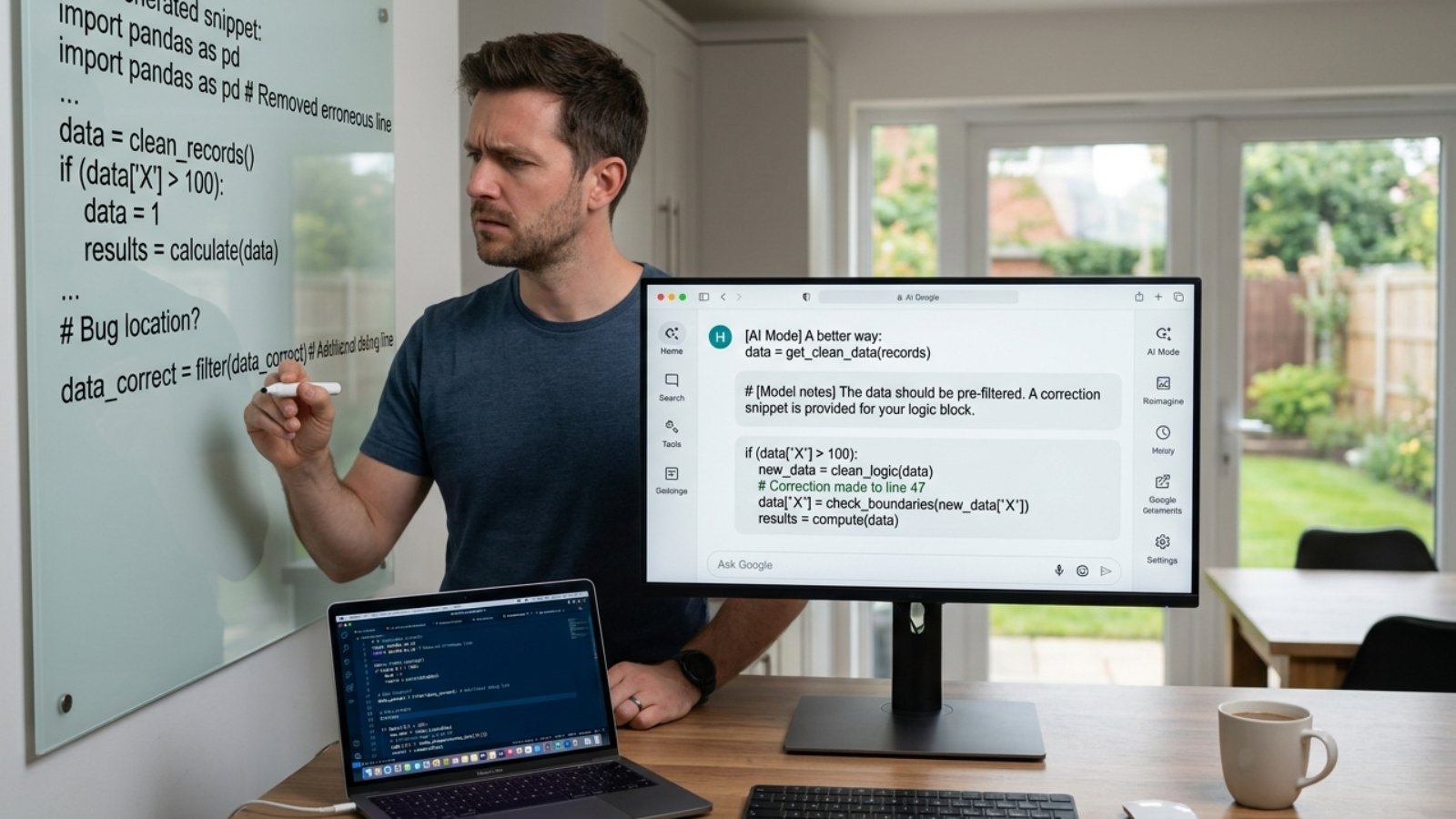
AI for freelance developers in 2026 means something narrower than the headlines suggest. Most developers now use AI tools daily. Far fewer actually trust the output. That gap, not replacement fear, is the real story. The smart move is selective use with real review, not blind adoption or blind rejection.
I’ve been coding for years. I’ve watched tools change before. This shift feels different, though, because it’s reshaping how I actually work day to day. Here’s what’s real, what’s hype, and what I personally changed about my own workflow.
What Does the Data Actually Show?
Let’s start with real numbers, not opinions. Stack Overflow’s 2025 Developer Survey polled over 49,000 developers across 177 countries. It found that 84% now use or plan to use AI tools. That’s a huge number. It’s not surprising anymore.
Here’s the part that matters more, though. Only 3% of developers say they highly trust AI output. Another 46% express some level of distrust. That gap between “I use it” and “I trust it” is the real story of 2026, not adoption alone.
JetBrains’ January 2026 AI Pulse survey backs this up with its own numbers. It found 90% of developers regularly use at least one AI tool at work. However, 74% have moved to specialized coding assistants, not just general chatbots. People are getting specific about what they trust AI with.
Why Does This Trust Gap Matter for You?
Here’s my honest read on this. The trust gap isn’t a sign AI tools are failing. It’s a sign developers are learning exactly where these tools help and where they don’t. That’s actually healthy.
I use AI constantly for boilerplate code, test generation, and quick documentation lookups. I don’t use it to write payment logic or security-sensitive code without reviewing every line myself. That split isn’t caution for caution’s sake. It’s based on watching where AI-generated code actually goes wrong.
What Skills Actually Matter Now?
This is the part most “AI is changing everything” articles skip. Here’s what I’d tell any freelance developer trying to stay relevant in 2026.
Code review skill matters more than code-writing speed. Writing code fast isn’t the bottleneck anymore. Catching what AI gets subtly wrong is. That’s a different, harder skill than typing quickly.
Architecture and judgment can’t be outsourced. AI tools are genuinely good at filling in a pattern once you’ve defined it. They’re much weaker at deciding which pattern actually fits your client’s specific business problem.
Clear client communication about AI use builds trust. Business owners increasingly want to know how their project gets built. Being upfront about where I use AI, and where I don’t, has become part of how I pitch projects, not something I hide.
Prompt literacy is now a real, learnable skill. Getting useful output from these tools isn’t automatic. It takes practice, much like learning any other tool does.
The Mistake I See Other Developers Make
Here’s a pattern worth naming directly. Some developers now ship AI-generated code with little to no review, trusting it because it “looks right.” That’s risky. Research from security firm SonarSource found a 41% increase in bugs tied to heavy AI usage without proper review.
That number lines up with what I see in practice. AI-generated code often looks clean and confident, even when the logic underneath is wrong. Confidence isn’t correctness. Treating generated code like a first draft, not a final answer, catches problems before a client ever sees them.
[INSERT: a real example here — e.g., a specific project where AI-assisted code caught your attention for a mistake, or where it genuinely sped up delivery without issues]
What I Actually Do Differently
Most articles on this topic give generic advice: “use AI, but review it.” I’d go further. I split my own work into three tiers before deciding how much AI involvement is appropriate.
Tier one: routine, low-risk code. Boilerplate, standard CRUD operations, test scaffolding. I let AI handle a large share of this, with a lighter review pass.
Tier two: business logic specific to a client. Pricing rules, custom workflows, anything tied to how a specific business actually operates. AI can draft a starting point here, but I rewrite and verify the logic myself before it ships.
Tier three: security, payments, and data handling. I write this by hand, or review AI suggestions line by line, with zero exceptions. The cost of a subtle mistake here is too high to risk on “it looked right.”
That tiered approach isn’t something I’ve seen written up elsewhere this specifically. It’s just what actually works, based on where I’ve seen things go wrong.
What Should Business Owners Ask Before Hiring a Developer?
If you’re hiring a freelance developer in 2026, this shift changes what’s worth asking. Don’t just ask “do you use AI tools.” Almost everyone says yes now, and that answer alone tells you little.
Ask instead how they review AI-generated code before it ships. Ask which parts of a project they’d never hand to AI without manual review. I’ve covered the broader hiring checklist in more detail in how to hire a freelance WordPress developer, and this AI-review question belongs right alongside the standard vetting questions there now.
Is “Superintelligence” Actually Relevant to Day-to-Day Development Work?
Short answer: not yet, and maybe not for a long time. I’ve written separately about what the superintelligence trend actually means, and the practical takeaway holds here too. Today’s AI coding tools are narrow and task-specific, not broadly superhuman. Treating them that way, in either direction, leads to bad decisions.
The tools genuinely help. They’re not magic, and they’re not a replacement for judgment, architecture decisions, or understanding a client’s actual business. That balance is what I try to bring to every project, whether it’s a Flutter app build or a WordPress site.
A Quick Checklist for Freelance Developers Right Now
- Know exactly which tasks you trust AI with, and which you don’t. Write this down for yourself, not just in your head.
- Review AI output as a first draft, not a finished answer. Especially anything touching security, payments, or client-specific logic.
- Get comfortable explaining your AI use to clients. Transparency builds more trust than silence does.
- Keep investing in judgment skills, not just tool familiarity. The tools will keep changing. Architecture sense doesn’t go out of date as fast.
If you’re a business owner weighing a project’s realistic cost and timeline in this new landscape, my website cost calculator still gives a grounded starting estimate, AI tools or not.
Frequently Asked Questions
Are freelance developers being replaced by AI in 2026?
No, not based on current data. Stack Overflow’s 2025 survey shows 84% of developers use AI tools, but only 3% highly trust the output, meaning human review and judgment remain essential to the work.
What percentage of developers use AI tools daily?
According to Stack Overflow’s 2025 Developer Survey, 51% of professional developers use AI tools every workday. JetBrains’ January 2026 survey found 90% regularly use at least one AI tool at work.
Should freelance developers trust AI-generated code completely?
No. Research from SonarSource found a 41% increase in bugs tied to heavy AI usage without proper review, which is why reviewing AI output as a first draft, not a final answer, matters.
What skills should freelance developers focus on in 2026?
Code review ability, architectural judgment, and clear client communication about how AI is used matter more now than raw code-writing speed, since AI tools have changed what the real bottleneck in development work is.
How do I know if a freelance developer uses AI responsibly?
Ask specifically how they review AI-generated code before shipping it, and which parts of a project they handle manually without AI assistance, rather than just asking whether they use AI tools at all.
Is “superintelligence” relevant to everyday freelance development work?
Not currently. Today’s AI coding tools remain narrow and task-specific rather than broadly superhuman, so day-to-day development work still depends heavily on human judgment and review.
Want a Developer Who’s Upfront About How They Work?
If you want a straight answer about how AI fits into your project, and where it doesn’t, message me on WhatsApp and let’s talk it through. Start the conversation here.