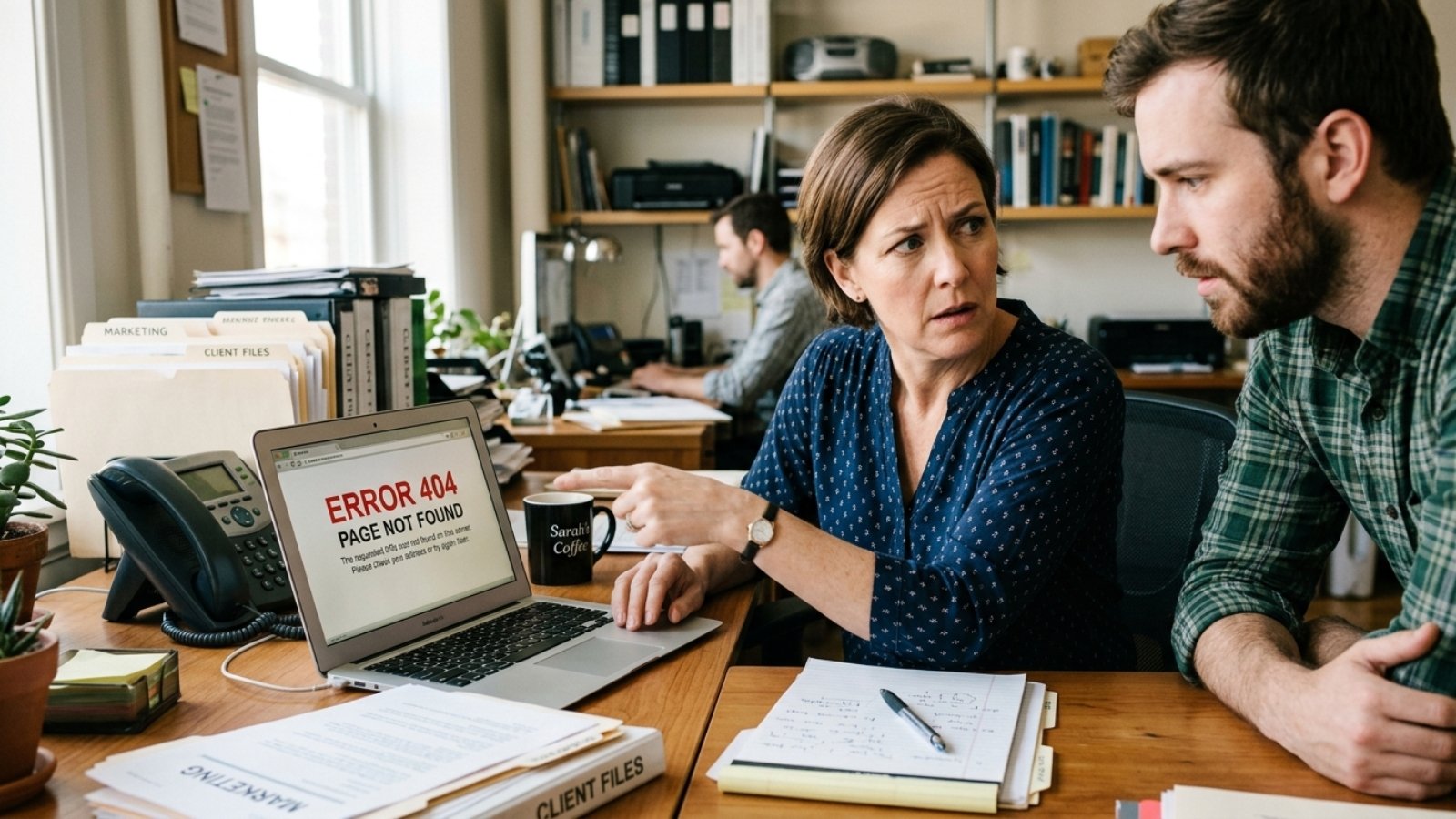
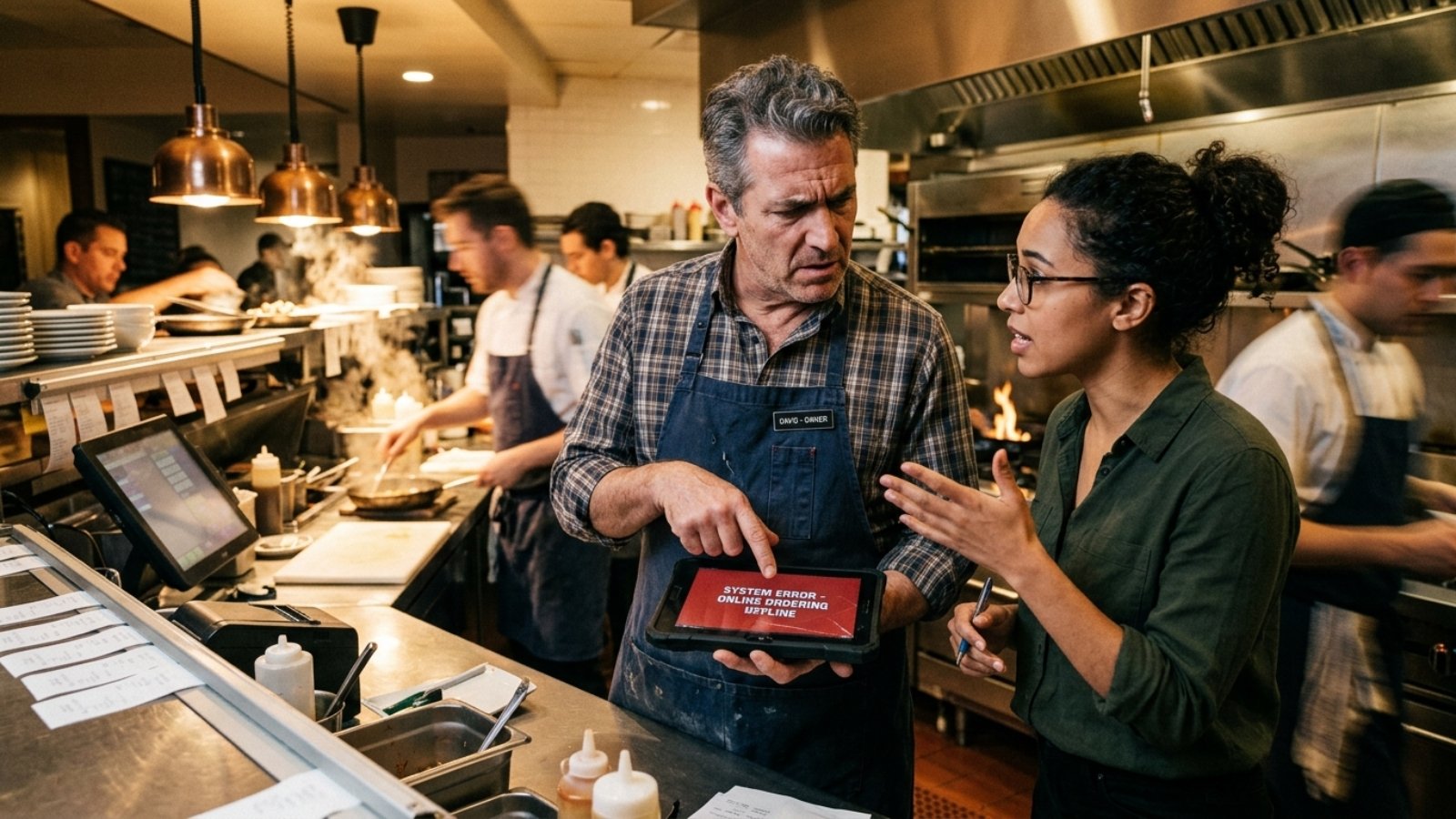
Quick answer: The restaurant website mistakes that cost you online orders most often come down to slow mobile load times, a menu that’s a PDF instead of real text, and checkout flows that force too many steps. Fix those three, and most restaurants see direct orders climb because customers stop bouncing to a delivery app instead.
I’ve rebuilt online ordering for restaurants in Denmark, moving them off clunky third-party checkout screens onto their own WordPress and WooCommerce sites. The pattern repeats almost every time. It’s rarely the food or the brand that loses the order. It’s the five seconds between a hungry customer tapping “order” and giving up.
Why Does This Even Matter When Delivery Apps Exist?
Because direct orders are worth more, and customers actually prefer them when the experience works. According to a 2024 Paytronix industry report, guests order 35% more items per check when ordering directly from a restaurant compared to third-party marketplaces, and mobile app orders carry 45% higher lifetime value than web orders.
Customers aren’t loyal to Uber Eats or DoorDash out of preference, either. A HungerRush consumer survey found that 67% of people are at least sometimes deterred from third-party apps because of the added fees, and more than half said they’d order directly instead, depending on the website experience.
That “depending on” is doing a lot of work. If your restaurant website mistakes push customers away, they default right back to the app you’re trying to avoid.
Mistake One: A Menu Trapped Inside a PDF
This is still shockingly common. A restaurant uploads their printed menu as a PDF, links it from the homepage, and calls the website done. On mobile, that means pinching, zooming, and scrolling sideways just to read a burger description.
Search engines can’t read PDF menus well either, so you lose local search visibility for dish names people actually search. A menu built as real, structured HTML text loads instantly, displays cleanly on any phone, and gets indexed by Google for searches like “best butter chicken near me.”
Mistake Two: Slow Mobile Load Times
Most restaurant browsing happens on a phone, often while someone is standing outside deciding where to eat. Google’s own research found that 53% of mobile visitors abandon a page that takes longer than three seconds to load. For a hungry customer with three other tabs open, three seconds might be generous.
Heavy, uncompressed food photography is usually the culprit. High-resolution hero images look great on a designer’s laptop but crawl on a spotty 4G connection. Every restaurant site should run through a speed check before launch, not after complaints start.
I offer a dedicated Core Web Vitals optimization service for exactly this reason — restaurant sites are some of the worst offenders because everyone wants beautiful food photos, but nobody wants to compress them properly.
Mistake Three: Checkout That Asks for Too Much
Every extra field between “select item” and “confirm order” is a chance for someone to give up. Account creation before ordering, mandatory phone verification, or a five-step address form all add friction a delivery app simply doesn’t have.
For a WooCommerce-based ordering system, that usually means enabling guest checkout, auto-filling saved addresses for returning customers, and keeping the entire flow to three screens or fewer: menu, cart, payment. I built exactly this kind of streamlined checkout for Express Pizzeria in Denmark, migrating them off a clunky third-party system onto a direct WooCommerce setup.
Mistake Four: No Real-Time Order Status
Customers who order through Uber Eats get a live map and a countdown timer. Customers who order through a restaurant’s own site often get… nothing, just a confirmation email and silence. That gap makes a direct order feel riskier, even when the food arrives just as fast.
You don’t need a full delivery-tracking app to fix this. A simple order status page — received, preparing, ready for pickup, out for delivery — closes most of the trust gap without custom engineering.
Mistake Five: Hiding the Order Button
Some restaurant homepages bury the “Order Online” button under a hero video, a reservations widget, and three carousel slides before it appears. On mobile, that means scrolling past everything else just to start an order. If ordering is your main revenue driver, that button belongs above the fold, on every page, not just the homepage.
What This Actually Costs a Restaurant
Run the math on your own numbers. If your average ticket is $28 and your site loses even 15 orders a week to abandonment, that’s over $21,000 a year walking straight to a delivery app instead of your kitchen. Multiply that by however many of these mistakes are stacking on top of each other, and the number gets uncomfortable fast.
That’s the real argument for fixing this now rather than “eventually.” Every week a slow, cluttered ordering page stays live is a week of direct revenue quietly leaking to a platform that takes 15-30% off the top.
Frequently Asked Questions
What’s the single biggest restaurant website mistake that costs orders? Slow mobile load time tends to cause the most damage, since more than half of mobile visitors leave a page that takes longer than three seconds to load.
Should restaurants avoid third-party delivery apps entirely? No, third-party apps still reach new customers effectively. The goal is building a direct ordering site strong enough that repeat customers order there instead, since direct orders are worth more per ticket.
Does a PDF menu really hurt SEO? Yes, because search engines can’t easily read or index dish names inside a PDF, which means your restaurant misses local search traffic for specific menu items.
How fast should a restaurant website load on mobile? Aim for under three seconds. Beyond that point, abandonment rates climb sharply according to Google’s own mobile performance research.
Do customers actually prefer ordering directly from a restaurant? Many do, when the experience is smooth. Surveys show a majority of consumers are open to ordering directly instead of through an app, largely to avoid added fees.
Is guest checkout important for restaurant ordering sites? Yes. Forcing account creation before a first order is one of the fastest ways to lose a hungry, impatient customer at checkout.
If your restaurant’s website is quietly pushing orders toward apps instead of keeping them for you, that’s usually fixable in a focused rebuild, not a total overhaul. Message me on WhatsApp and I’ll take a look at what’s actually costing you orders.